Your Complete Tandem Jump Checklist
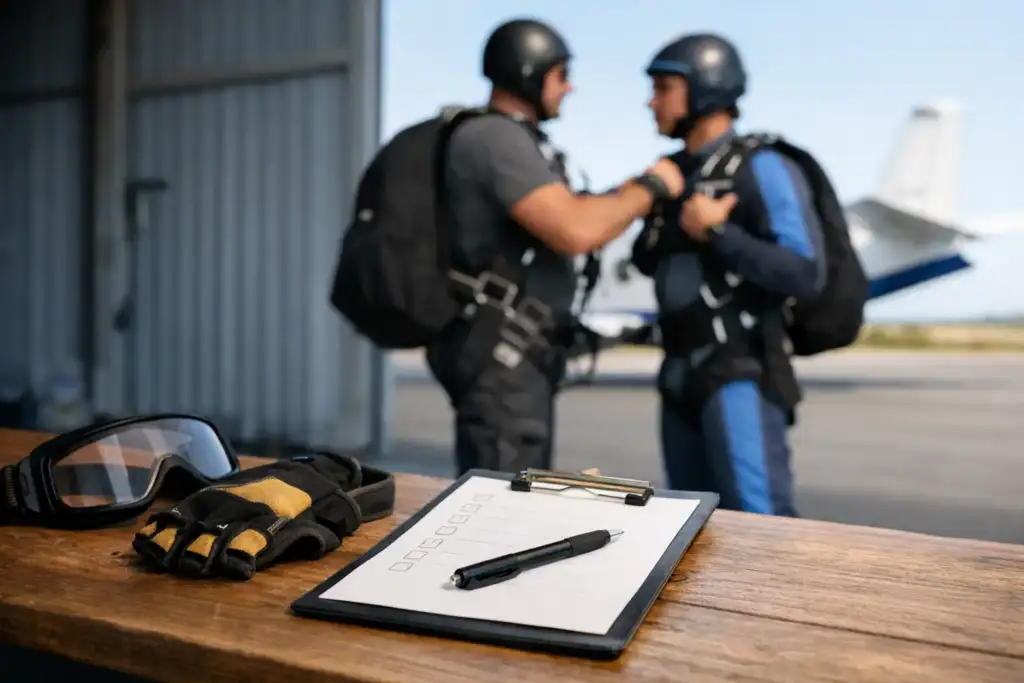
That first skydive usually starts long before the airplane door opens. It starts the night before, when you wonder what to wear, whether to eat, how early to arrive, and what happens if the nerves hit hard in the parking lot. A complete tandem jump checklist takes the guesswork out of the day so you can focus on the part that matters most – showing up ready for an unforgettable experience.
If this is your first tandem jump, the biggest mistake is treating it like any other outing. Skydiving is exciting, but it also runs on timing, weather, gear checks, and clear instruction. The smoother your prep is, the more confident and relaxed you will feel when it is time to gear up.
Why a complete tandem jump checklist matters
A tandem skydive is designed to be beginner-friendly, but that does not mean you should arrive unprepared. First-time jumpers often worry about the jump itself, when the real stress usually comes from smaller unknowns. What should you eat? Can you bring your phone? Will your clothes work with the harness? What if the weather changes?
A good checklist answers those questions before they turn into last-minute problems. It also helps you avoid common issues that can slow down your day, like arriving late, wearing the wrong shoes, or skipping meals because you are too nervous to eat. The goal is simple – less scrambling, more confidence.
The complete tandem jump checklist for jump day
Start with the basics. You will need a valid photo ID, and you should have any booking confirmation details handy. If you have signed waivers online ahead of time, great. If not, plan a little extra time for paperwork when you arrive.
Wear comfortable clothes that fit close to the body but still allow movement. Think athletic wear, a T-shirt, leggings, joggers, or shorts depending on the weather. You do not need a special skydiving outfit, but you do need clothing that works well under a harness. Baggy pieces can bunch up, and anything restrictive can make the ride to altitude less comfortable.
Shoes matter more than people expect. Closed-toe sneakers are the safe choice. Sandals, heels, boots with hooks, and loose slip-ons are not a good fit for tandem skydiving. You want secure footwear that stays on your feet and does not interfere with equipment.
Eat a normal meal before you come. Not a huge heavy feast, but not an empty stomach either. Skydiving while hungry can leave you feeling lightheaded or drained, especially if nerves are already running high. A balanced breakfast or lunch usually works best.
Bring water and stay hydrated, especially during warmer Tennessee months. At the same time, go easy on alcohol and avoid drugs entirely. If you show up under the influence, you should expect not to jump. Safety comes first, every time.
You should also plan your schedule with flexibility. Tandem skydiving depends on weather and air traffic conditions, so there can be waiting periods even on good days. That does not mean anything is wrong. It means the team is doing the job correctly.
What to wear for a tandem skydive
This is one of the most searched parts of any complete tandem jump checklist, and for good reason. Clothing can affect both comfort and focus.
In warm weather, lightweight athletic clothes are usually ideal. In cooler months, layers are better than one bulky sweatshirt. Temperatures drop as the plane climbs, so it may feel colder at altitude than it does on the ground. A thin long-sleeve layer or athletic pullover often works well.
Avoid anything with sharp accessories, dangling straps, or heavy jewelry. Large earrings, necklaces, and loose items can become annoying fast once the harness is on. If you wear glasses or contacts, tell your instructor. Eye protection is typically part of the process, and your instructor will help make sure everything is secure.
If you booked photos or video, simple advice applies here too. Wear something you feel good in. You are about to have a once-in-a-lifetime experience, and those images tend to live on phones, social feeds, and family group texts for a long time.
What to expect when you arrive
For many first-time jumpers, the nerves peak during check-in. That is normal. The good news is that tandem skydiving is built around guidance. You are not expected to know how everything works before you get there.
After arrival, you will usually check in, complete any remaining paperwork, and go through a safety briefing. Your instructor will explain the equipment, body position, and what will happen during boarding, exit, freefall, canopy flight, and landing. This is the time to ask questions. No good instructor wants a silent, confused student.
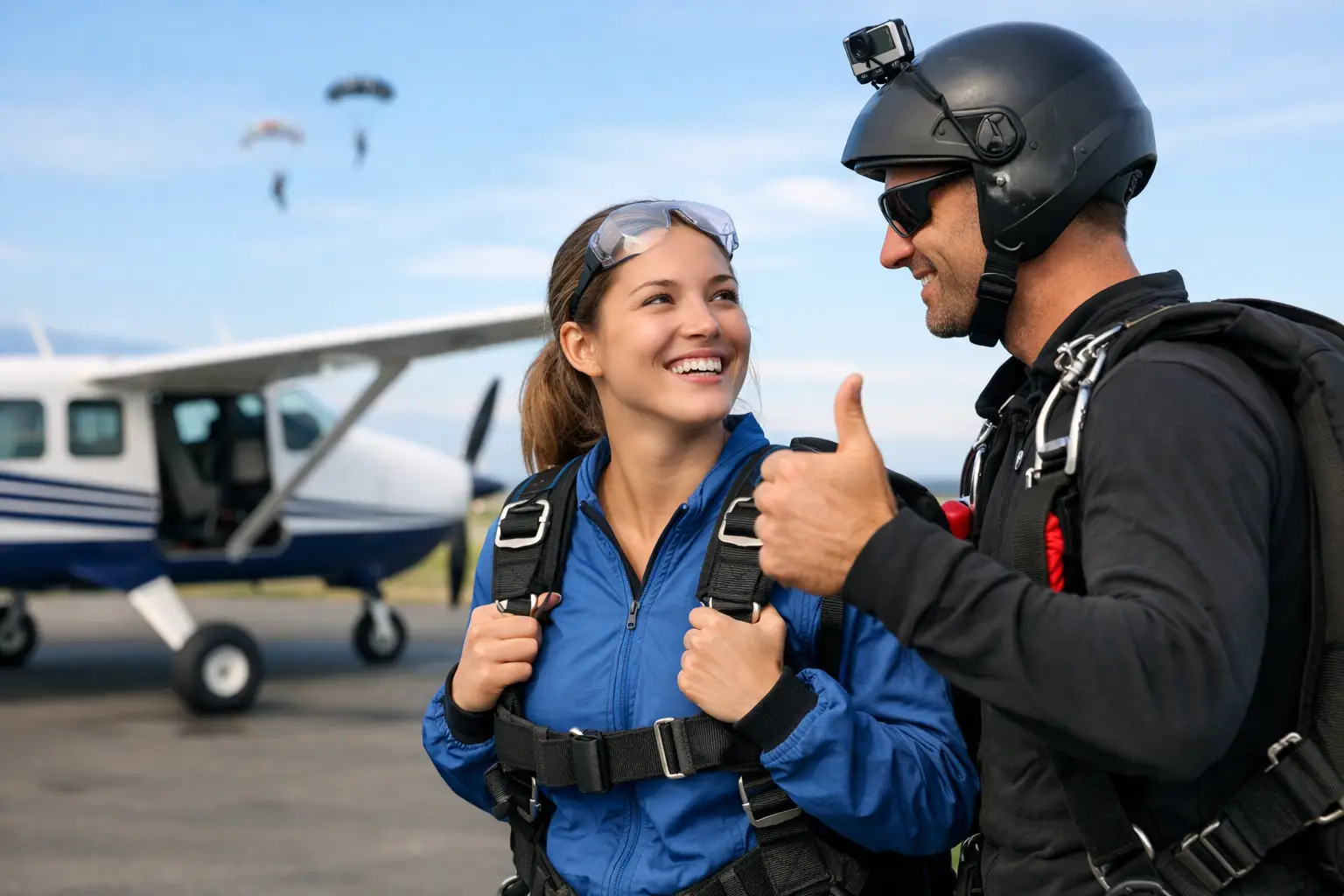
You will then get fitted into a harness and paired with your tandem instructor. This part is often where nerves start to turn into excitement. The experience becomes real, but it also becomes clearer. You can stop imagining worst-case scenarios because a licensed professional is walking you through each step.
There may be some waiting involved before your load is called. Weather shifts, aircraft schedules, and group size all affect timing. Bring patience along with your adrenaline.
What not to bring or do
Leave valuables secured rather than carrying them around all day. Your phone, wallet, and keys can stay with your personal items while you jump. You should not plan to hold a phone, selfie stick, or loose camera during the skydive.
Do not skip the briefing because you think it will be basic. Even confident, adventurous people need to hear the instructions clearly. Tandem jumping is simple from the customer side, but simple does not mean casual.
It is also smart not to overbook the rest of your day. If your jump is tied to a birthday, proposal, anniversary, or group trip, give yourself room to enjoy it. Rushing off to the next reservation can take some of the fun out of the experience.
Mental prep matters too
A complete tandem jump checklist is not just about clothes and paperwork. It is also about getting your head in the right place.
If you are nervous, that does not mean you are not ready. It means you understand that this is a real adventure. Most first-time jumpers feel some mix of excitement and fear. That feeling usually settles once training begins and you meet your instructor face to face.
One of the best things you can do is stop trying to predict the exact feeling of freefall. It is different from roller coasters, different from flying, and different from what most people expect. You do not need to fully understand it before you do it. You just need to arrive prepared, listen well, and commit to the moment.
If you are jumping with friends or as a couple, remember that everyone processes anticipation differently. One person may joke the whole time. Another may go quiet. Both reactions are normal.
A few last-day decisions that make a big difference
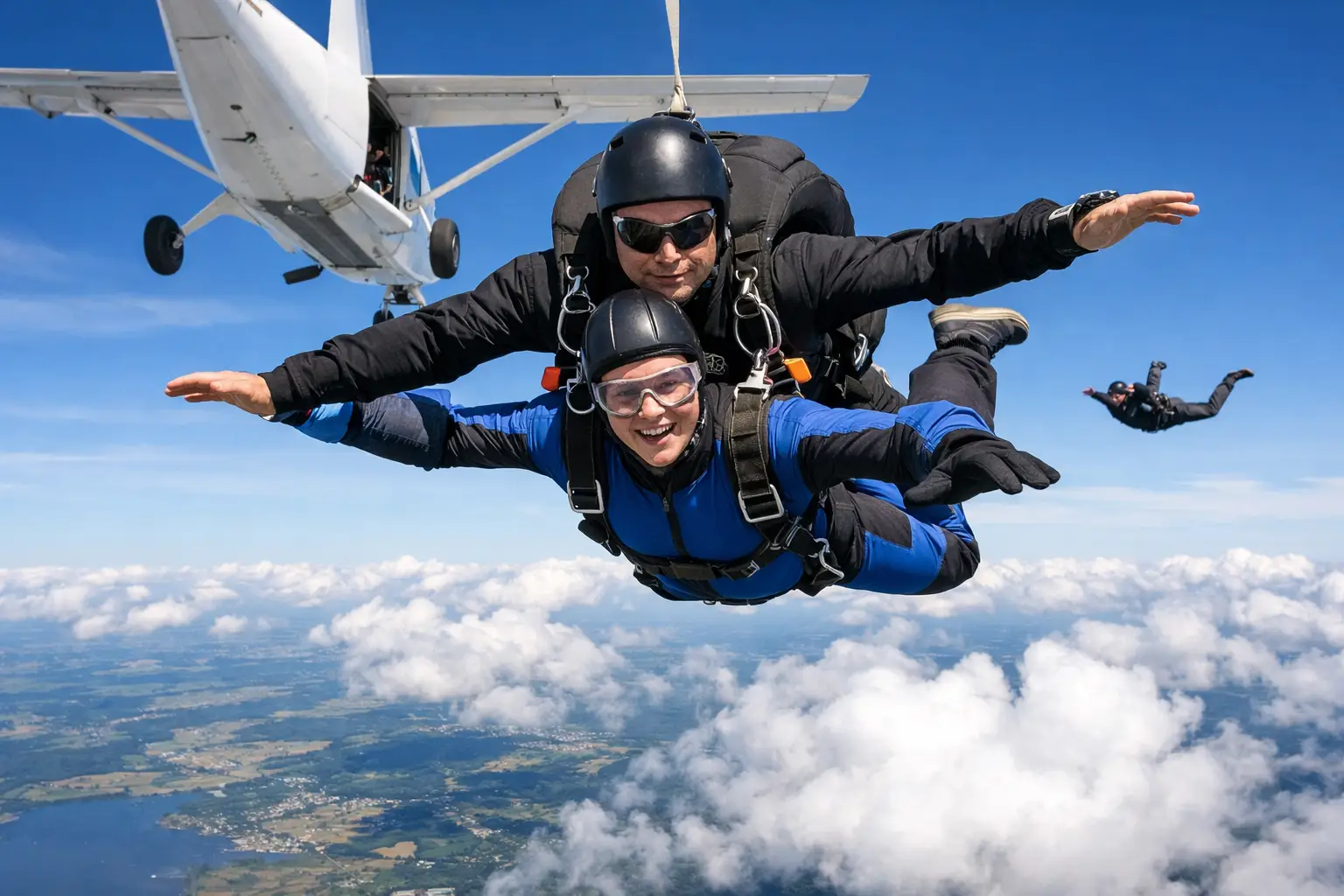
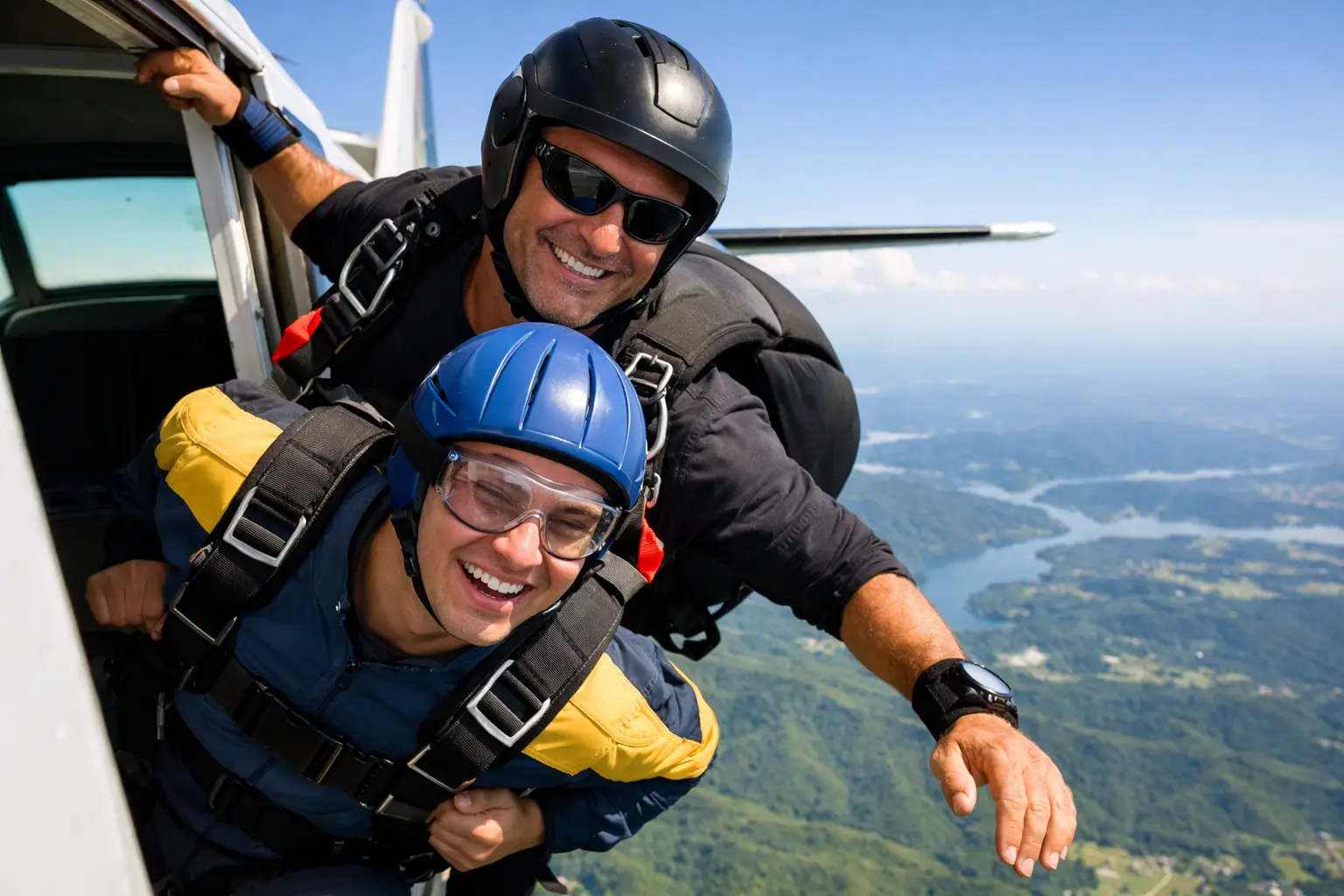
If you are on the fence about adding photos or video, decide before the adrenaline takes over. Most people do not regret having the moment captured. A tandem jump moves fast, and the footage lets you relive the climb, the exit, the freefall, and the grin you probably did not know you had.
You should also think about recovery in a practical way. Most people feel energized after a jump, not exhausted, but your body may still be running on adrenaline for a while. If you are driving a long distance back to Nashville or anywhere else in Middle Tennessee, it helps to have a little downtime built in.
At Middle Tennessee Skydiving, that full experience matters just as much as the jump itself – from the first briefing to the final landing and the story you tell afterward.
The best checklist is the one that lets you stop overthinking. Bring the right clothes, eat beforehand, arrive on time, listen closely, and trust the process. Once the plane climbs and the door opens, preparation gives way to something better: a clear mind, a hard rush of adrenaline, and a moment you will remember every time you look up at the sky.