Skydiving Weight Limit Tandem Explained
If you are excited about booking your first jump but hung up on the skydiving weight limit tandem question, you are not alone. It is one of the first things many people want to know, and for good reason. When you are trusting an instructor, gear, and aircraft with a bucket-list moment, you want clear answers – not vague promises.
The good news is that tandem skydiving is built to make first-time jumping approachable. The part that sometimes surprises people is that weight limits are not random. They exist for safety, equipment performance, landing control, and overall jump conditions. That means your eligibility is not about appearance or fitness stereotypes. It is about whether the jump can be done safely and responsibly.
Why the skydiving weight limit tandem rule exists
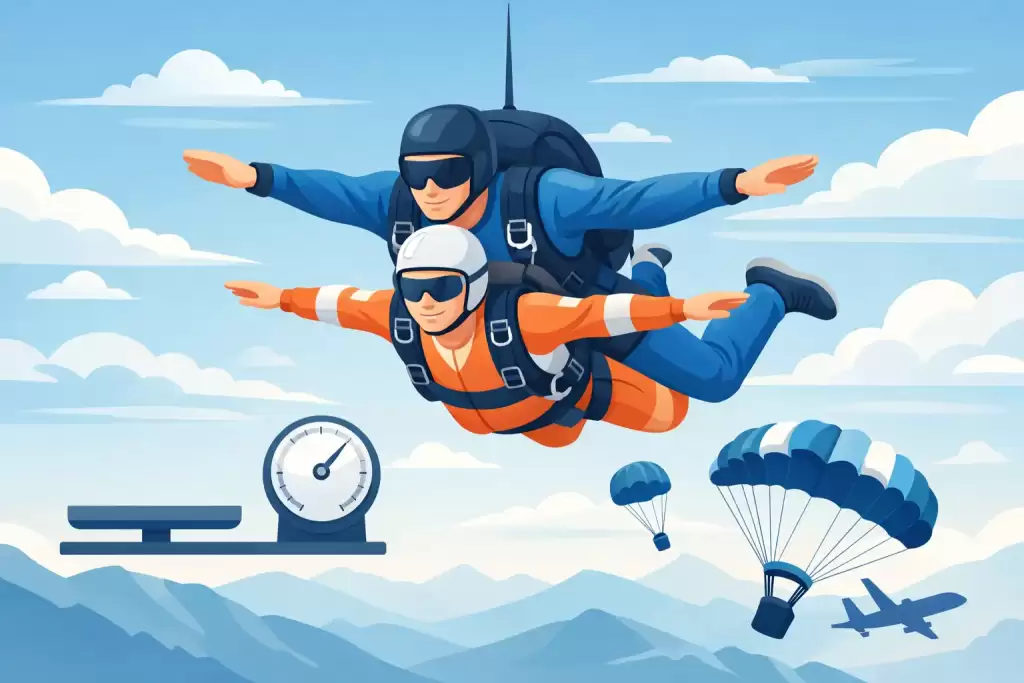
A tandem skydive is a carefully managed system. You are connected to a highly trained instructor, and together you are flying under specific equipment rated for certain operating ranges. Add in parachute size, aircraft loading, weather, wind speed, and landing conditions, and weight becomes a real safety factor.
The biggest reason for a tandem weight limit is parachute performance. Heavier combined loads can change how quickly the canopy descends, how it responds in the air, and how much room an instructor has to make a smooth, controlled landing. That does not mean heavier jumpers cannot skydive. It means the operation has to stay within limits that protect everyone involved.
There is also the physical side of the landing. Tandem landings are guided by the instructor, but body weight still affects speed, momentum, and how much force is involved when touching down. On a calm day, that may be manageable within one range. On a hotter day, or with changing wind, the acceptable range can shift. That is why skydiving centers sometimes say weight approval depends on conditions, not just a single number.
What is the typical tandem weight limit?
At many drop zones, the common tandem weight limit falls somewhere around 200 to 230 pounds, with some operations allowing more under specific conditions. Others may use a hard cutoff, while some assess on a case-by-case basis. There may also be extra fees above a certain weight range because heavier loads create more wear on equipment and require additional operational considerations.
That variability can be frustrating if you are trying to get a quick answer, but it is actually a sign that the drop zone is taking safety seriously. A responsible tandem operation is not going to promise yes to everyone just to win a booking. They are going to consider instructor safety, passenger safety, equipment limits, and weather conditions before making the call.
If you are near the upper end of a listed limit, expect the answer to depend on more than the scale alone. Height, body proportions, mobility, and the ability to follow landing instructions can all matter. Someone who weighs the same as another person may present a very different tandem profile.
Skydiving weight limit tandem and body composition
This is where people often feel unsure, so it helps to say it plainly. Weight is not the only factor. Body composition and overall fit in the harness can play a role too.
Tandem gear has to fit correctly and securely. The harness needs to sit where it is designed to sit, tighten properly, and allow the instructor to maintain stable control during exit, freefall, canopy flight, and landing. If the harness fit is not right, the issue is not comfort alone. It becomes a safety concern.
Mobility matters as well. During a tandem jump, you will need to lift your legs for landing and hold the right body position during exit and freefall. If that movement is difficult, the instructor may need to evaluate whether the jump can be done safely. That is why honest communication matters more than trying to squeeze into a limit that may not fit your situation.
What happens if you are close to the limit?
If you are close to the posted range, the smartest move is simple: ask before you book. Be accurate about your weight and straightforward about any concerns. That gives the drop zone a chance to tell you what is realistic before you make plans, bring friends, or drive out expecting to jump.
In many cases, being near the limit does not mean an automatic no. It may mean your jump needs to be scheduled during cooler parts of the day, in lighter wind conditions, or after an instructor review. It could also mean there is an extra charge or a stricter cutoff than you expected.
What you do not want is to show up and hope nobody notices. Tandem operations weigh or verify jumpers for a reason. If your actual weight is above the approved range, the staff may have to ground the jump. That is disappointing, but it is far better than bending a safety standard for the sake of convenience.
Why weather can affect tandem eligibility
People often assume a weight limit is fixed year-round, but skydiving does not work that way. Conditions matter.
Hot temperatures can affect air density. Wind can affect canopy handling and landing. Ground conditions can also matter, especially if the instructor expects a more demanding landing. A load that is acceptable on one day may not be acceptable on another.
That is one reason an experienced tandem center takes a conservative approach. It is not about making the process harder. It is about making sure the adrenaline-filled freefall ends with a landing your instructor can manage confidently and safely.
How to prepare if weight is a concern
The best preparation starts with honesty and timing. Reach out early, ask about the current tandem policy, and be truthful about your weight. If you are actively trying to get within the approved range, give yourself enough time so you are not stressed or cutting it close.
It also helps to focus on the parts you can control. Wear comfortable clothing, listen carefully during the briefing, and be ready to follow instructions exactly. If mobility is a challenge, mention that up front too. An experienced team would rather answer a few direct questions now than deal with preventable problems at the door.
If you are just over the limit, do not assume the dream is over forever. Sometimes a different season, better conditions, or reaching a target weight can make the jump possible later. The key is treating the process like a real aviation activity, not an amusement ride.
Choosing a drop zone that gives you a straight answer
Not every skydiving center handles these conversations the same way. Some are very transparent. Others bury the details until late in the process. For a first-time jumper, that can create unnecessary nerves.
Look for a drop zone that explains its tandem requirements clearly, answers questions without judgment, and puts safety ahead of selling a slot. That kind of honesty matters. When a team is direct about limits, weather holds, and equipment standards, it usually reflects how they operate across the whole experience.
That is especially important for first-time tandem customers around Nashville and Middle Tennessee who want the thrill without the guesswork. A safety-first operation will make the process feel clear, guided, and manageable from the first call to the final landing.
The bigger picture behind tandem limits
For many people, asking about weight feels personal. That is understandable. But in skydiving, this question is not a value judgment. It is an operational one.
A professional team is thinking about aircraft balance, harness fit, parachute performance, instructor control, and landing safety all at once. The weight limit is simply one part of making sure your jump is not just exciting, but responsible. The right answer may be yes, not yet, or yes under certain conditions. All three can be the correct answer depending on the day.
At Middle Tennessee Skydiving, that safety-first mindset is part of what makes the experience feel bold and approachable at the same time. You are there for the thrill, but you should also feel like every decision behind the scenes is built around getting you in the air the right way.
If tandem skydiving is on your bucket list, do not let uncertainty keep you stuck on the ground. Ask the question, get the real answer, and move forward with confidence. The best adventure starts with trust, and that begins long before the plane door opens.