Tandem Skydiving vs Indoor Skydiving
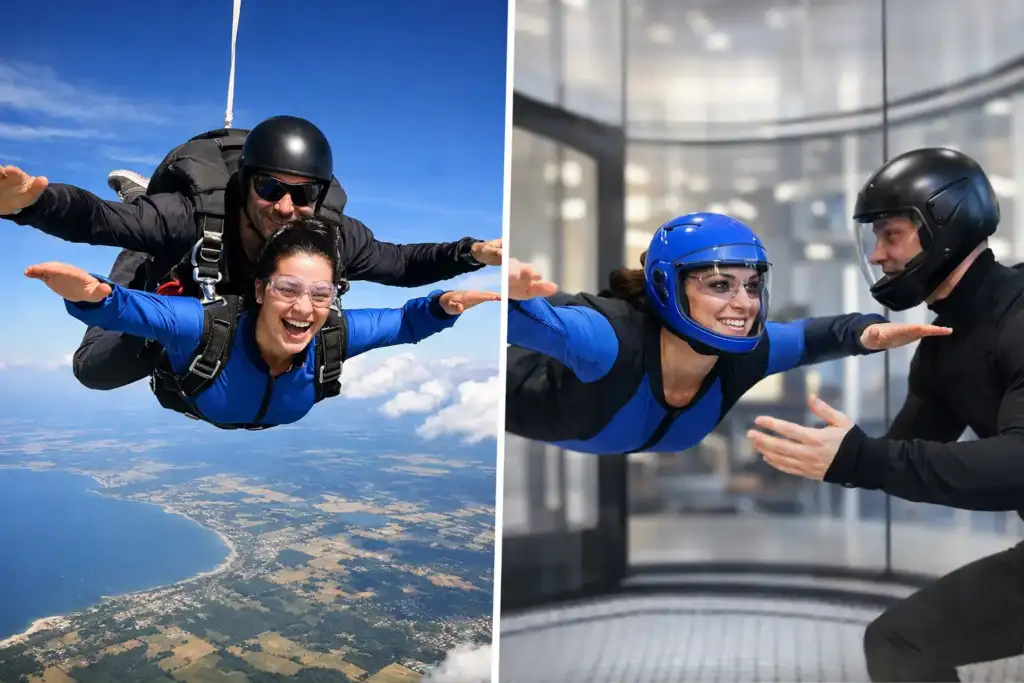
One gives you an actual airplane, open sky, and the kind of adrenaline that makes your heart pound before the door even opens. The other gives you a controlled wind tunnel, no parachute, and a softer introduction to body flight. When people compare tandem skydiving vs indoor skydiving, they are usually asking one real question: which experience is right for me?
The honest answer is that both can be fun, and both can build confidence. But they are not the same adventure, and they do not deliver the same feeling, the same challenge, or the same memory. If you are deciding between the two, it helps to understand what you are actually paying for and what you want to walk away feeling.
Tandem skydiving vs indoor skydiving: the core difference
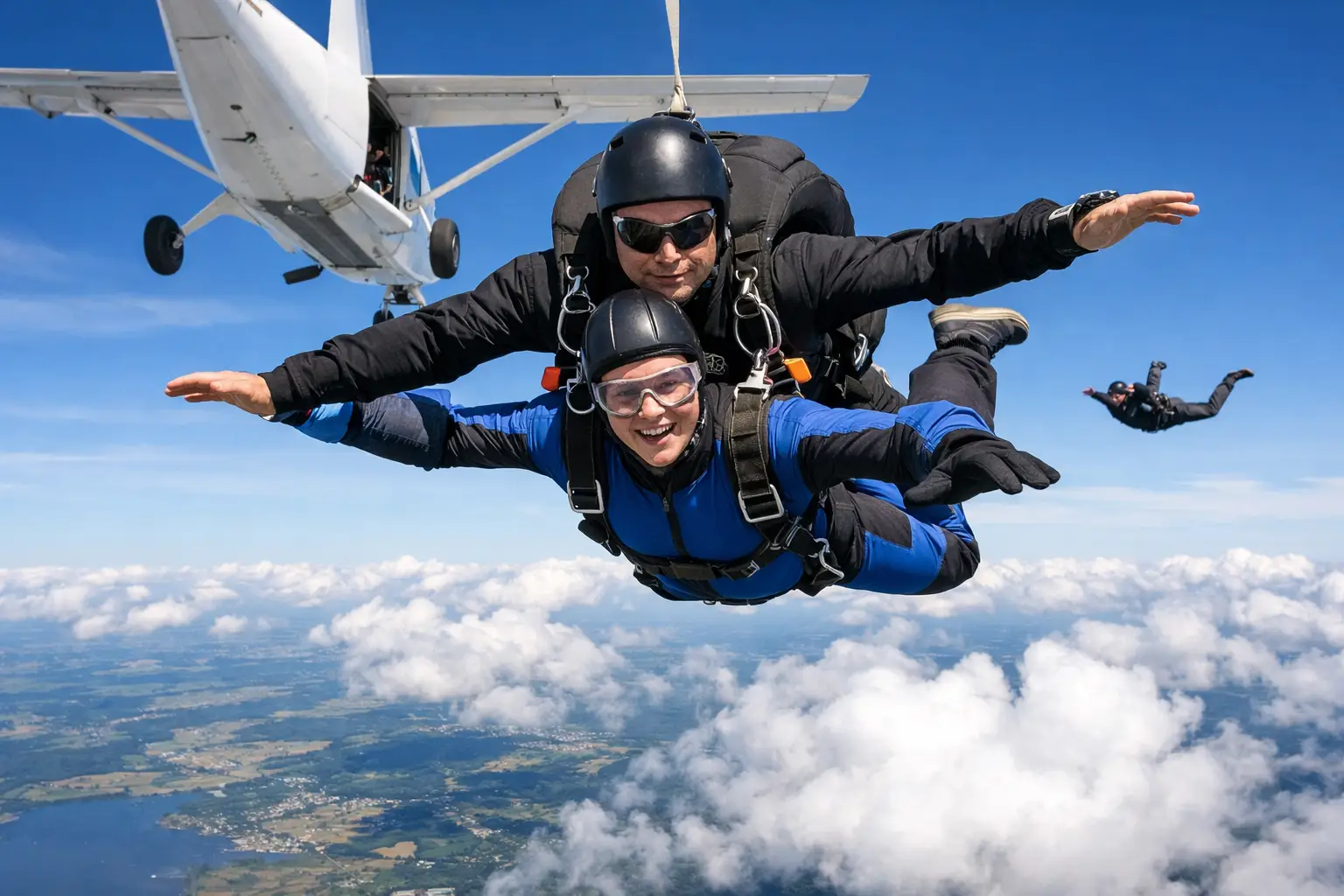
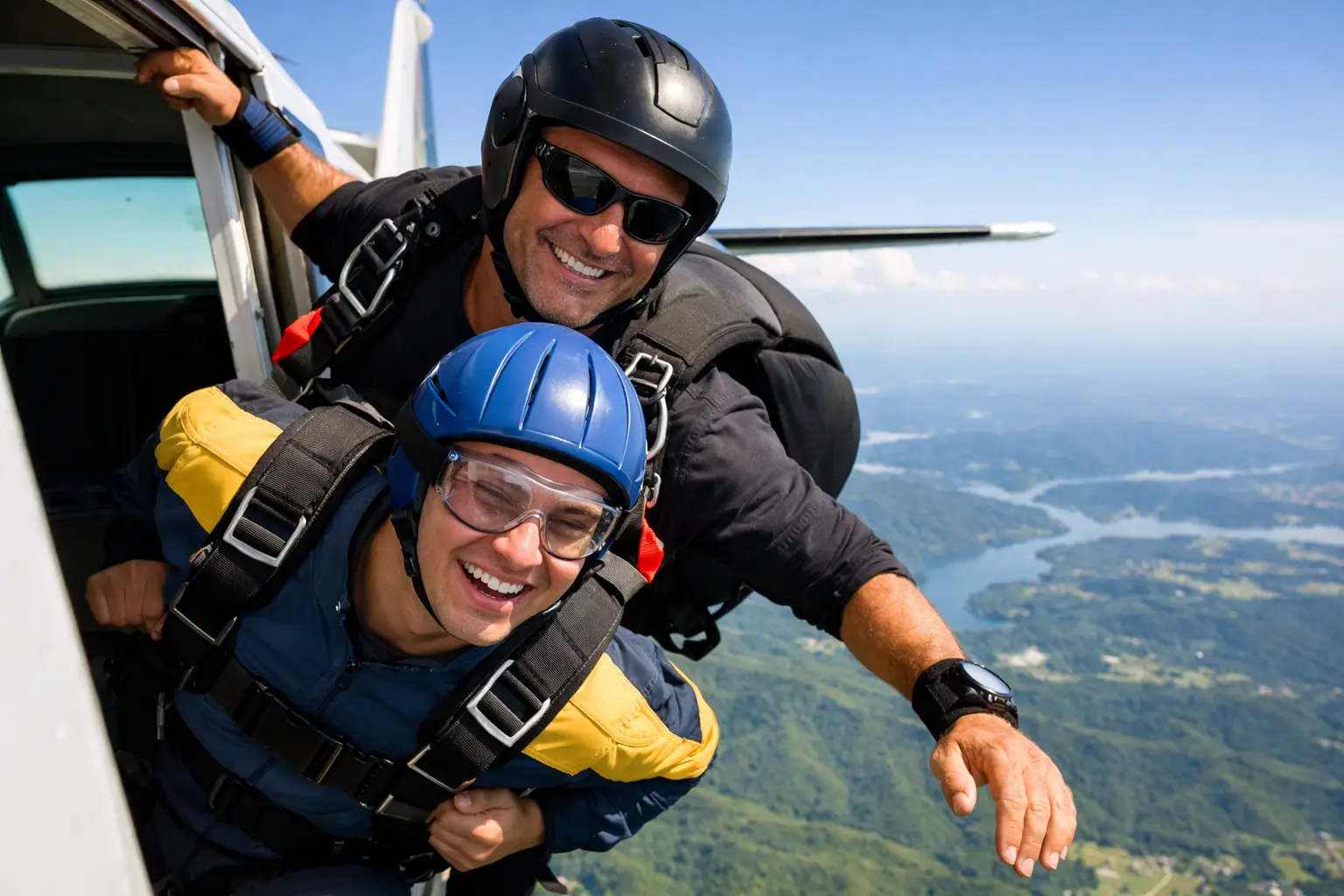
Tandem skydiving is a real skydive from a real aircraft at altitude, securely attached to a licensed instructor who handles the technical side of the jump. You climb, the door opens, you exit the plane, and you experience genuine freefall followed by a parachute ride back to the ground. It is a bucket-list event in every sense.
Indoor skydiving uses a vertical wind tunnel to simulate the body position of freefall. You wear flight gear, enter the chamber, and float on a column of air while an instructor coaches you. It can be exciting, and it is absolutely a skill-based experience, but it is not a jump and it does not include the full arc of skydiving.
That distinction matters. If your goal is to say you went skydiving, only one of these checks that box. If your goal is to get a taste of flight without stepping out of an airplane, the other may feel like the better first move.
What the experience feels like
A tandem skydive starts well before freefall. There is anticipation in the check-in, the gearing up, the briefing, and the ride to altitude. You are not just flying. You are committing to something big, and that is part of why people remember it for years.
Once you leave the plane, the sensation is hard to compare to anything else. It is fast, loud, thrilling, and strangely smooth at the same time. Then everything changes again when the parachute opens. The pace slows, the noise drops, and you get a wide-open view that can feel peaceful after the rush.
Indoor skydiving is more controlled from the first second. You usually get shorter flight sessions, more direct coaching, and less of the emotional build-up that comes with an aircraft climb. For some people, that is exactly the appeal. It is exciting, but it does not carry the same mental hurdle or the same all-in commitment.
If you want the full emotional payoff of facing a fear, doing something bold, and landing with that “I really did that” feeling, tandem skydiving is in a different category.
Which one is better for first-timers?
For many first-timers, indoor skydiving sounds less intimidating. There is no plane, no parachute, and no jump decision at the door. If someone is curious about body flight but not ready for a major adrenaline event, the wind tunnel can be a comfortable introduction.
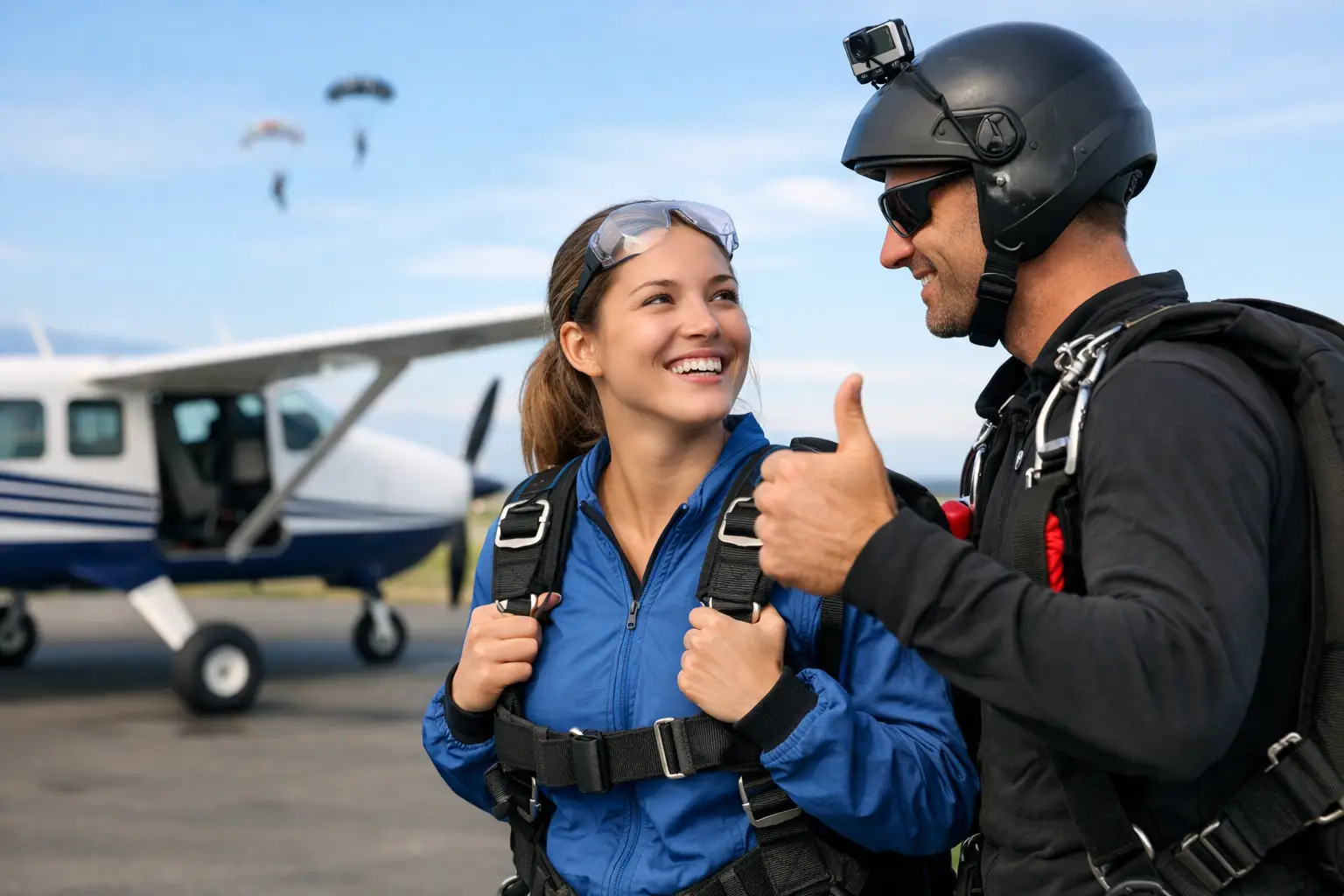
That said, tandem skydiving is built specifically for beginners. You do not need prior experience, advanced knowledge, or athletic ability to make a tandem jump. You are connected to an experienced, USPA-certified instructor who guides you through the process, manages the equipment, and handles the key technical responsibilities during the jump.
This is where a lot of people get surprised. They assume tandem skydiving is only for fearless thrill-seekers, when in reality many tandem customers are regular people crossing something off a bucket list, celebrating a birthday, marking a milestone, or simply deciding they want a story worth telling. Nervous first-timers are normal. Good instructors expect that and know how to coach you through it.
So which one is better for a beginner? It depends on the beginner. If you want a lower-pressure first taste of flying, indoor skydiving may fit. If you want the real thing and you want it done with expert guidance from start to finish, tandem is the clear choice.
Safety and control
Safety is one of the biggest reasons people compare tandem skydiving vs indoor skydiving, and this is where context matters.
Indoor skydiving happens in a highly controlled environment. There is no aircraft, no altitude exposure, and no parachute deployment. That makes it feel more approachable for people who are nervous. Instruction is close-up and immediate, and the setting is designed for repetition and coaching.
Tandem skydiving involves more moving parts because it is a real outdoor aviation activity. But that does not mean it is unmanaged or chaotic. Reputable tandem operations are built around training, equipment inspection, weather standards, aircraft procedures, and instructor qualifications. A safety-first dropzone does not treat the jump like a stunt. It treats it like a professional, guided experience.
For a first-time tandem customer, the important question is not whether the experience feels intense. It is whether the operation takes safety seriously at every step. That means licensed instructors, clear briefings, maintained gear, sound weather judgment, and a process that makes you feel informed rather than rushed.
Indoor skydiving may feel safer because it removes some variables. Tandem skydiving earns trust through structure, expertise, and preparation. Both matter, but they are not interchangeable experiences.
Cost, value, and what you are actually buying
On paper, indoor skydiving can look like the more affordable option, especially for a short first session. But it is worth looking beyond the sticker price.
With indoor skydiving, you are buying flight time in a wind tunnel. That can be great for practice, coaching, or a quick group outing. The sessions are often brief, and if you want more time to improve or repeat the experience, the total cost can add up.
With tandem skydiving, you are buying a full adventure. That includes the aircraft ride, the altitude, the freefall, the parachute descent, the instruction, and the emotional impact of doing something truly out of the ordinary. It is not just airtime. It is a complete event.
That is why many people view tandem skydiving as a better value for a bucket-list moment. You are paying for a once-in-a-lifetime memory, not just a few minutes of simulated flight. And if you add photos or video, you leave with something you can replay, share, and relive long after the jump is over.
Who should choose tandem skydiving?
Tandem skydiving makes the most sense if you want the real experience, not a preview of it. It is for people who want to celebrate something big, challenge themselves, surprise a partner, bring a friend group together, or finally do the thing they have been talking about for years.
It is also the right choice if the memory matters as much as the activity. A tandem jump has a clear beginning, middle, and payoff. You show up nervous, get geared up, board the plane, make the jump, and land changed by it. That story is part of what you are buying.
For visitors and locals around Nashville and Middle Tennessee, it can also turn an ordinary weekend into something unforgettable. Middle Tennessee Skydiving is built for that kind of first jump – guided, beginner-friendly, and backed by experienced instructors who know how to make you feel confident before your feet ever leave the plane.
Who should choose indoor skydiving?
Indoor skydiving makes sense if you want a controlled, lower-commitment way to experience body flight. It is a good option for people who are not ready to jump from an aircraft, families looking for a more contained outing, or anyone interested in practicing flying technique.
It can also be a smart stepping stone. Some people try indoor first to get comfortable with the sensation of air pressure and body positioning, then move on to a tandem jump when they feel ready. That path is valid. There is no rule saying your first flight has to be your biggest one.
Still, if your heart is set on skydiving, indoor can only take you so far. At some point, the question becomes whether you want to keep simulating the feeling or go experience the real thing.
So which one should you book?
If you want a controlled introduction to flight, book indoor skydiving. If you want an adrenaline-filled freefall, a parachute ride, and a memory that stays with you for years, book a tandem jump.
There is no need to pretend they are equal versions of the same thing. Indoor skydiving is fun. Tandem skydiving is transformative. One helps you sample flight. The other gives you the sky, the rush, and the kind of moment that instantly becomes part of your story.
If you are still on the fence, ask yourself one simple question: do you want to practice the feeling, or do you want to live it? That answer usually makes the decision for you.