How to Overcome Fear Before Skydiving
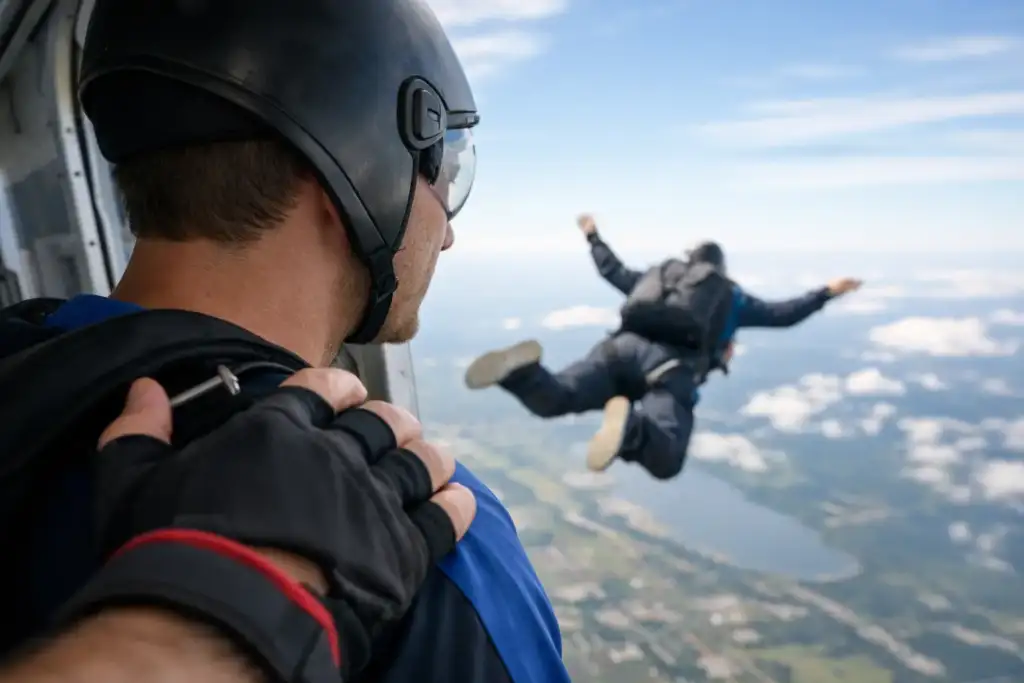
Your heart usually starts racing long before the airplane does. For most first-time jumpers, the hardest part is not the freefall – it is the waiting, the wondering, and the mental movie playing every worst-case scenario on repeat. If you want to overcome fear before skydiving, the goal is not to pretend you feel nothing. The goal is to understand what your fear is actually saying, then put it in the right place.
Fear before a skydive is normal. In fact, it would be strange if stepping toward an open aircraft door at thousands of feet felt casual the first time. The people who enjoy skydiving most are not fearless superheroes. They are ordinary people who felt the nerves, showed up anyway, trusted their training and instructor, and let the experience carry them forward.
Why fear shows up before a skydive
Most people are not really afraid of skydiving itself. They are afraid of uncertainty. They do not know exactly what the plane ride feels like, what the door looks like when it opens, how intense freefall will be, or whether they will freeze up in the moment. The mind fills in those gaps with drama.
That is why first-time fear often peaks before the jump, not during it. Once you are geared up, briefed, attached to a highly experienced tandem instructor, and moving through each step, your brain has less room to spiral. Action replaces imagination.
There is also a physical side to it. Adrenaline can feel a lot like panic if you are not used to it. Sweaty hands, shaky legs, a tight chest, fast breathing – those signals can make you think something is wrong, when in reality your body is preparing for a big event. That response is not a red flag. It is part of the experience.
The best way to overcome fear before skydiving
The most effective way to overcome fear before skydiving is to replace vague fear with specific facts. General fear grows in the dark. Confidence grows when you know what to expect.
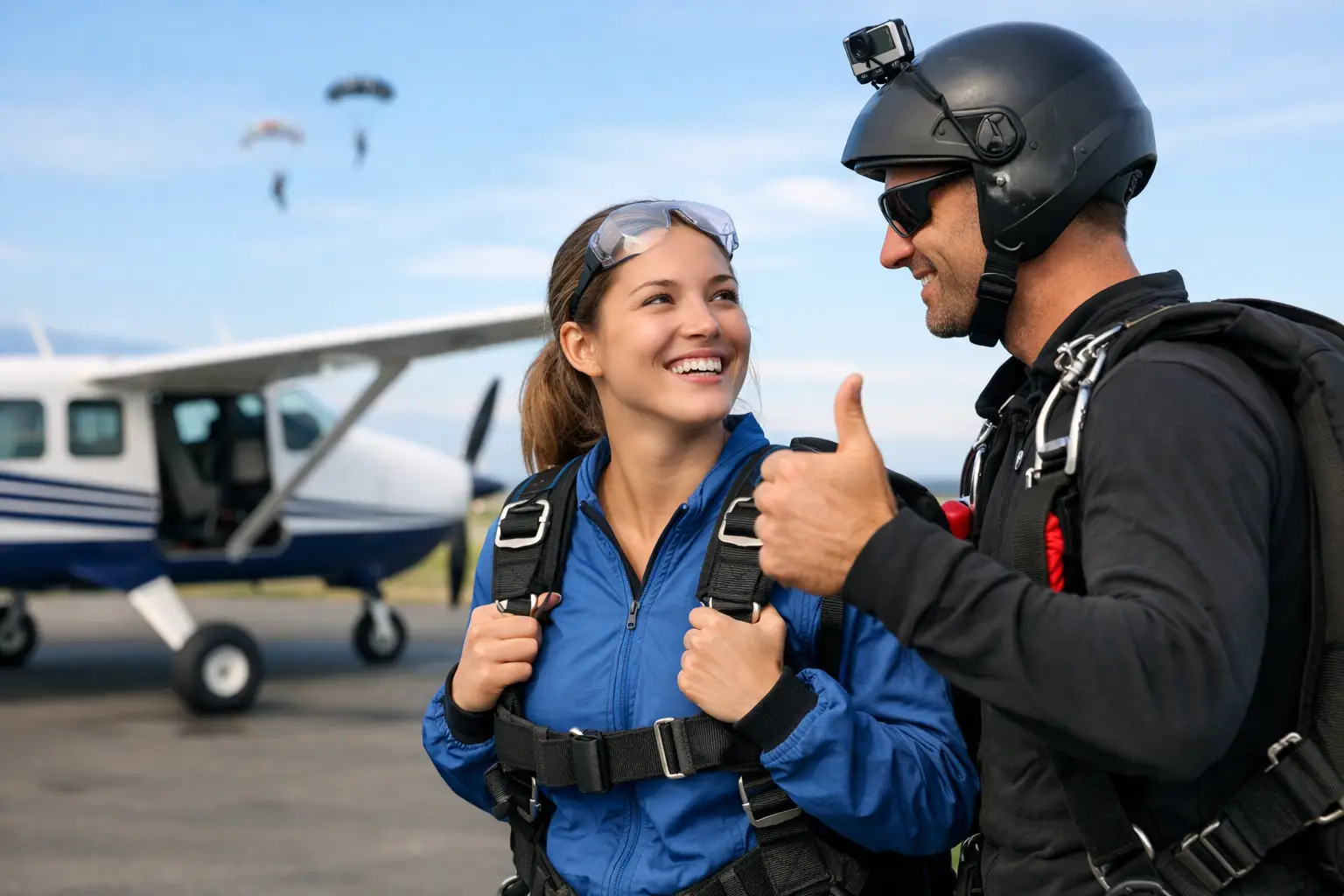
A tandem skydive is built for first-time jumpers. You are connected to a licensed, USPA-certified instructor who handles the technical parts of the jump. Before you ever board the plane, you receive a safety briefing, equipment check, and clear instructions on body position, exit, freefall, canopy flight, and landing. You are not being tossed into the unknown and told to figure it out on the way down. You are being guided from start to finish.
That distinction matters. A lot of fear fades when people realize they do not need to perform like an expert. Your job is simple – listen, breathe, follow directions, and enjoy one of the most adrenaline-filled experiences of your life.
What usually scares first-time jumpers most
People tend to focus on one part of the jump and build all their anxiety around it. For some, it is the plane ride up. For others, it is stepping out of the aircraft. Some worry about the parachute. Others worry they will panic in front of friends or a partner.
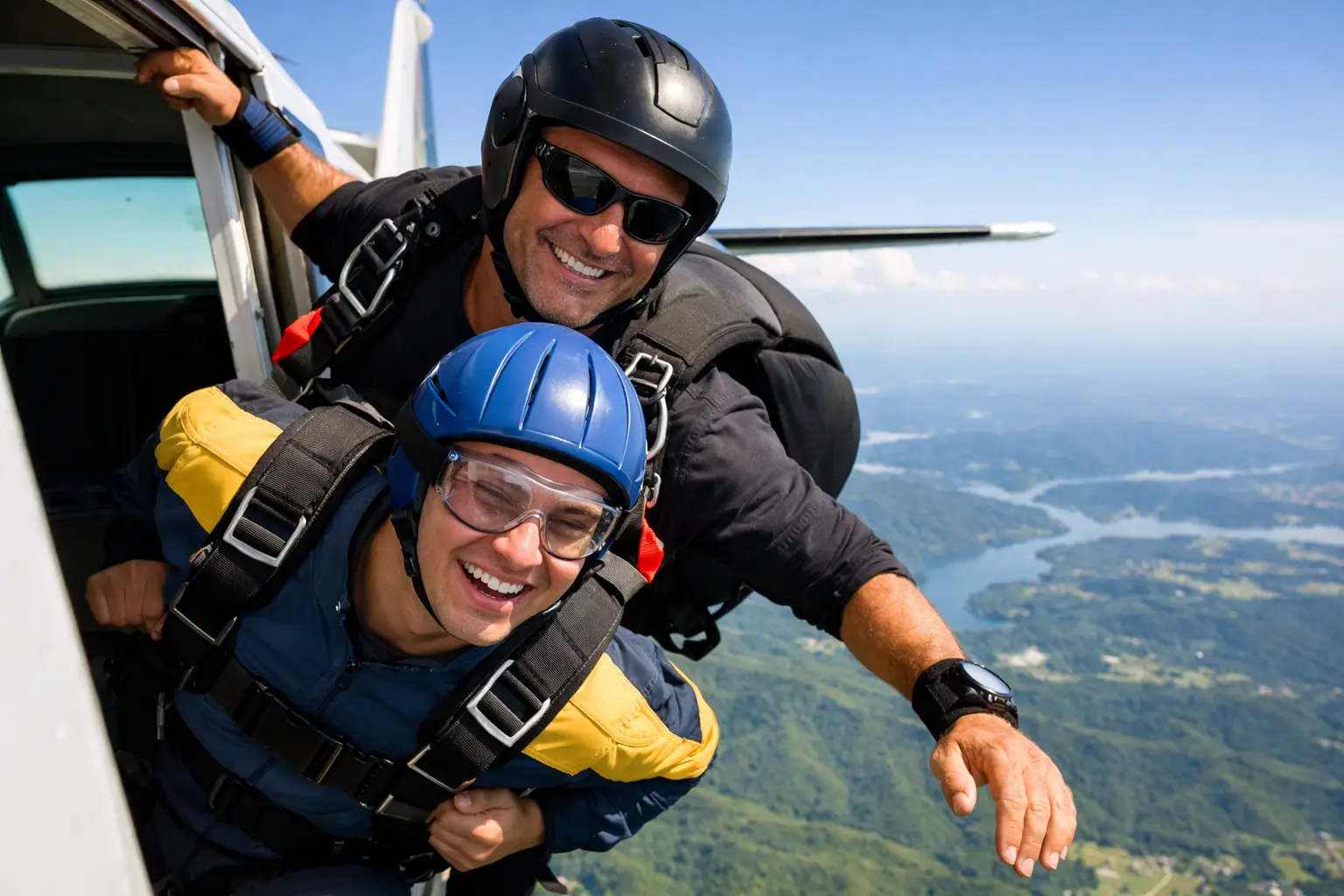
Each of those fears deserves a real answer, not a brush-off. The plane ride can feel intense because anticipation builds with altitude. The door moment is dramatic, but it happens quickly and under instructor control. The parachute portion is often the biggest surprise because it feels peaceful, not chaotic. And if you are worried about panicking, know this – instructors work with nervous first-timers all the time. You will not be the first person with a shaky smile and a racing pulse.
Sometimes fear is less about danger and more about identity. People do not want to back out after telling everyone they booked a jump. They want the thrill, the photos, the memory, and the story – but they are scared of what it means if they hesitate. That pressure can make nerves feel bigger than they are. Give yourself some grace. Courage does not look like being perfectly calm. It looks like showing up honestly and doing the thing anyway.
Practical ways to feel more in control
Start by asking questions before jump day. Fear gets louder when details are fuzzy. Knowing the check-in process, what to wear, how long the day may take, and what the weather can change helps your mind settle. If you understand the flow of the experience, there is less room for nervous guessing.
It also helps to control what you can physically control. Get decent sleep the night before. Eat a light, normal meal. Drink water. Avoid showing up hungover, exhausted, or over-caffeinated. Those choices will not erase nerves, but they can keep normal adrenaline from tipping into feeling overwhelmed.
When the anxious thoughts hit, do not argue with every one of them. That usually makes them louder. Instead, narrow your focus to the next step. Arrive. Check in. Meet your instructor. Listen to the briefing. Gear up. Walk to the plane. Fear likes the whole staircase. Confidence grows one step at a time.
Breathing matters more than most people realize. If your chest is tight and your thoughts are racing, slow your exhale. A longer exhale tells your body you are not in immediate danger. That does not make the jump less exciting. It simply keeps excitement from turning into mental overload.
If you are jumping with a friend, partner, or group, be careful about borrowing someone else’s fear. Nervous energy spreads fast. One person joking about dying all morning can make everyone more anxious. Stay close to the people who are excited, grounded, and ready to cheer you on.
Trust matters more than hype
A lot of people try to pump themselves up before skydiving with pure bravado. Sometimes that works. More often, it falls apart the second they hear the engine start. Real confidence comes from trust, not hype.
Trust the process. Trust the training. Trust the equipment. Most of all, trust the instructor attached to you. When you are jumping tandem with a highly experienced professional, you are not carrying the full responsibility for the skydive. That is the point. A safety-first dropzone is designed to make a bucket-list adventure feel accessible without treating it casually.
That is why choosing the right place matters. If the operation is clear, professional, and focused on first-time jumpers, your nerves have less fuel. At Middle Tennessee Skydiving, that guided approach is a big part of why new jumpers walk in uncertain and leave talking about when they want to go again.
What the fear feels like after you leave the plane
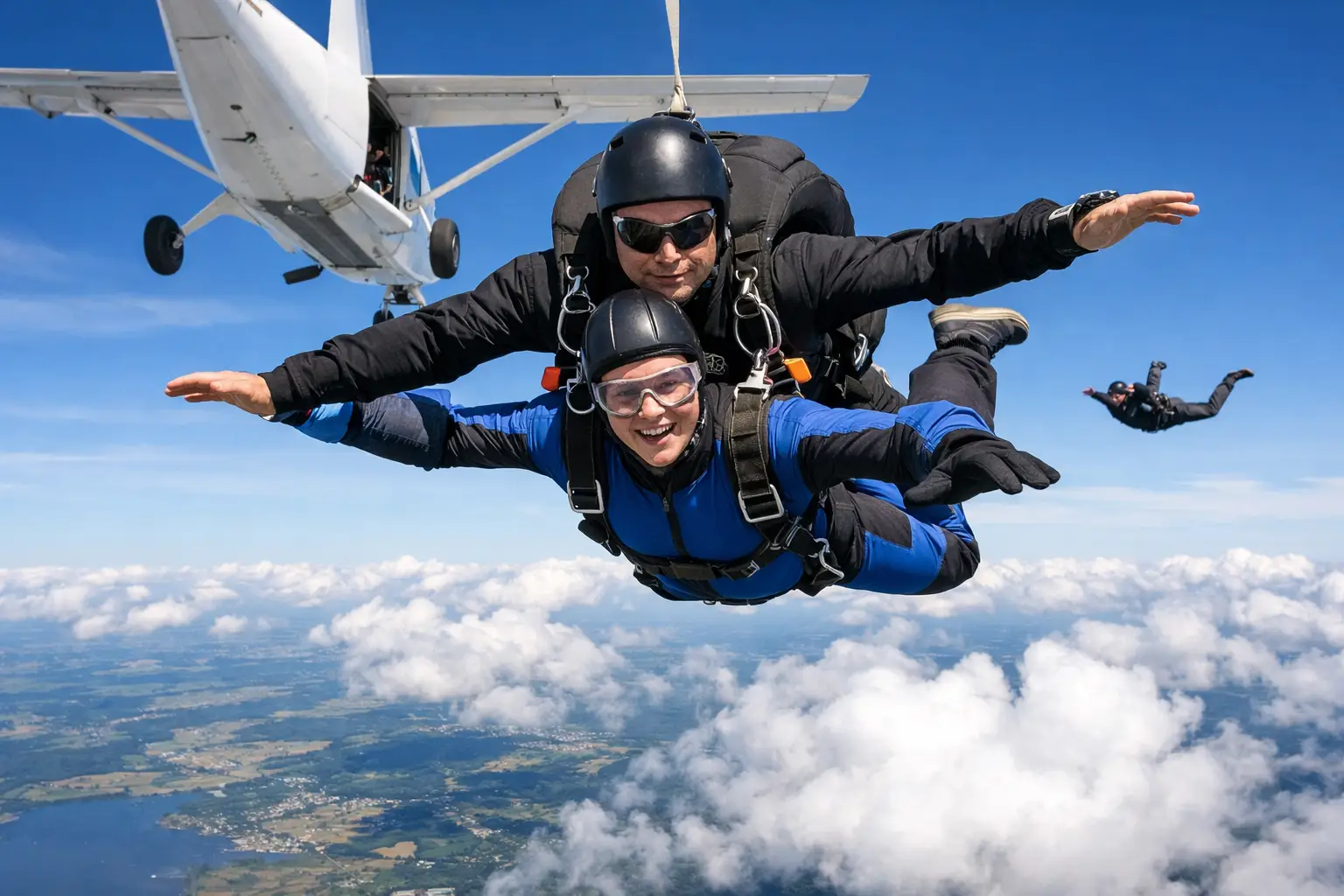
Here is the part many first-time jumpers do not expect: the dread usually disappears the instant the jump begins. Once you exit the aircraft, there is no more waiting, no more what-if loop, no more long buildup. There is only the rush of freefall, the force of the wind, and a level of focus that clears out everything else.
Then the parachute opens, and the whole experience changes. What felt impossible on the ground suddenly feels real, controlled, and unbelievably beautiful. You can see the landscape stretch out below you. You can breathe. You can take it in. A lot of people land with the same thought – why was I so scared for so long?
That does not mean the fear was silly. It means it was temporary.
If you are still scared, that is okay
You do not need to wait until fear disappears to book the jump. For many people, it never fully disappears beforehand. It just gets smaller than the reason they wanted to do it in the first place.
Maybe you are celebrating a birthday, checking off a bucket-list goal, visiting the Nashville area, or proving something to yourself after a hard season. Maybe you simply want a memory that feels bigger than another dinner reservation or weekend plan. Those reasons count. They matter more than the pre-jump nerves trying to talk you out of it.
The truth is simple. You can be scared and ready at the same time. You can have sweaty palms, a loud heartbeat, and a hundred doubts, then still step into one of the most unforgettable experiences of your life. Sometimes confidence is not what comes first. Sometimes it shows up right after you decide not to let fear make the call.
When your jump day comes, you do not need to feel fearless. You just need to take the next step.