9 Best First Time Skydiving Tips
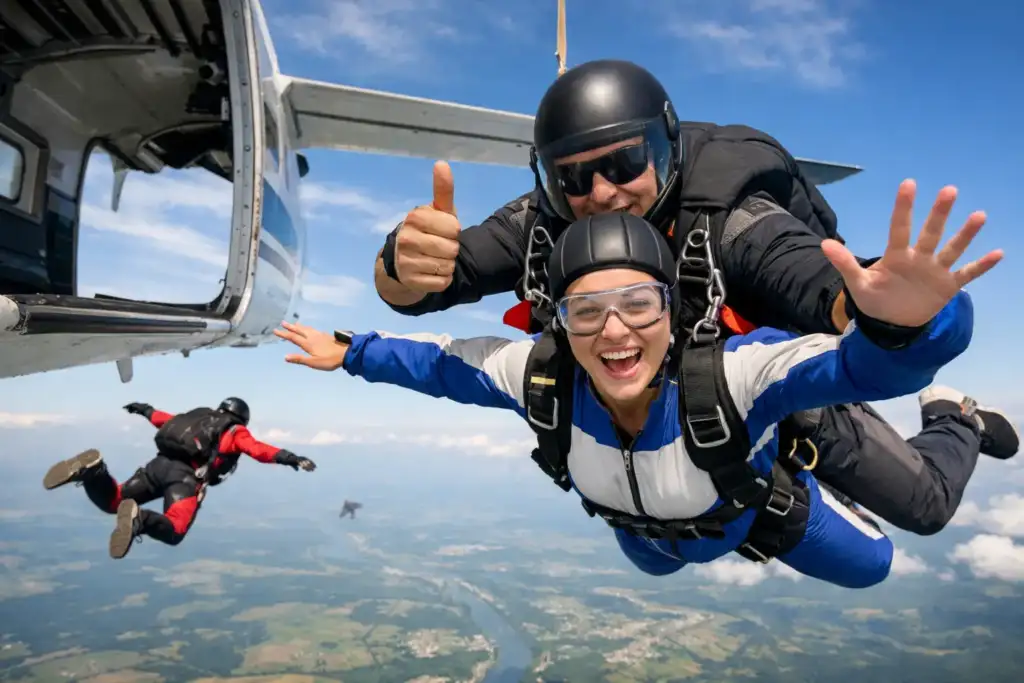
That nervous buzz you feel the night before your jump is normal. Almost every first-time skydiver feels it. The best first time skydiving tips are not about acting fearless – they are about knowing what to expect, preparing the right way, and trusting the process so you can actually enjoy the experience instead of fighting it.
For most people, a tandem skydive is equal parts excitement, nerves, and pure bucket-list energy. You are doing something big, and that should feel big. The good news is that first-time skydiving is designed to be approachable. You are not showing up to figure it out alone. You are paired with a trained, licensed instructor, guided through the full experience, and supported from the moment you arrive until your feet touch the ground again.
Best first time skydiving tips start before jump day
A great jump usually begins with boring but important choices the day before. Get a full night’s sleep if you can. You do not need to show up feeling like a machine, but being rested helps with nerves, focus, and motion tolerance.
Eat a normal meal before your appointment. This surprises a lot of people. Some first-timers think skipping food will help with nerves, but showing up hungry can leave you feeling shaky, lightheaded, and more anxious than necessary. Aim for something balanced and familiar, not a huge greasy breakfast that sits heavy.
Hydration matters too, especially in Tennessee heat. Drink water, but do not overdo caffeine. One coffee is usually fine if that is your routine. Three energy drinks on an empty stomach is not the move.
If you are celebrating with friends afterward, wait on alcohol until after the jump. Skydiving is an adrenaline-filled experience, and your body does better when you arrive clear-headed, hydrated, and ready to listen.
Wear the right clothes and leave the rest behind
You do not need special skydiving fashion. You need comfort, mobility, and common sense. Athletic clothes are usually your best bet. Think T-shirt, long sleeve shirt, leggings, joggers, or shorts depending on the weather. Avoid anything too loose, too bulky, or hard to move in.
Closed-toe shoes are the standard. Sneakers work well. Sandals, boots with hooks, and anything likely to slip off are usually a bad idea.
It is also smart to keep jewelry minimal and empty your pockets. Your jump is not improved by worrying about your phone, keys, or sunglasses. If you wear contacts or glasses, ask your drop zone what works best. Many first-time tandem jumpers do just fine with protective goggles over them.
Trust the briefing, even if you think you already know what happens
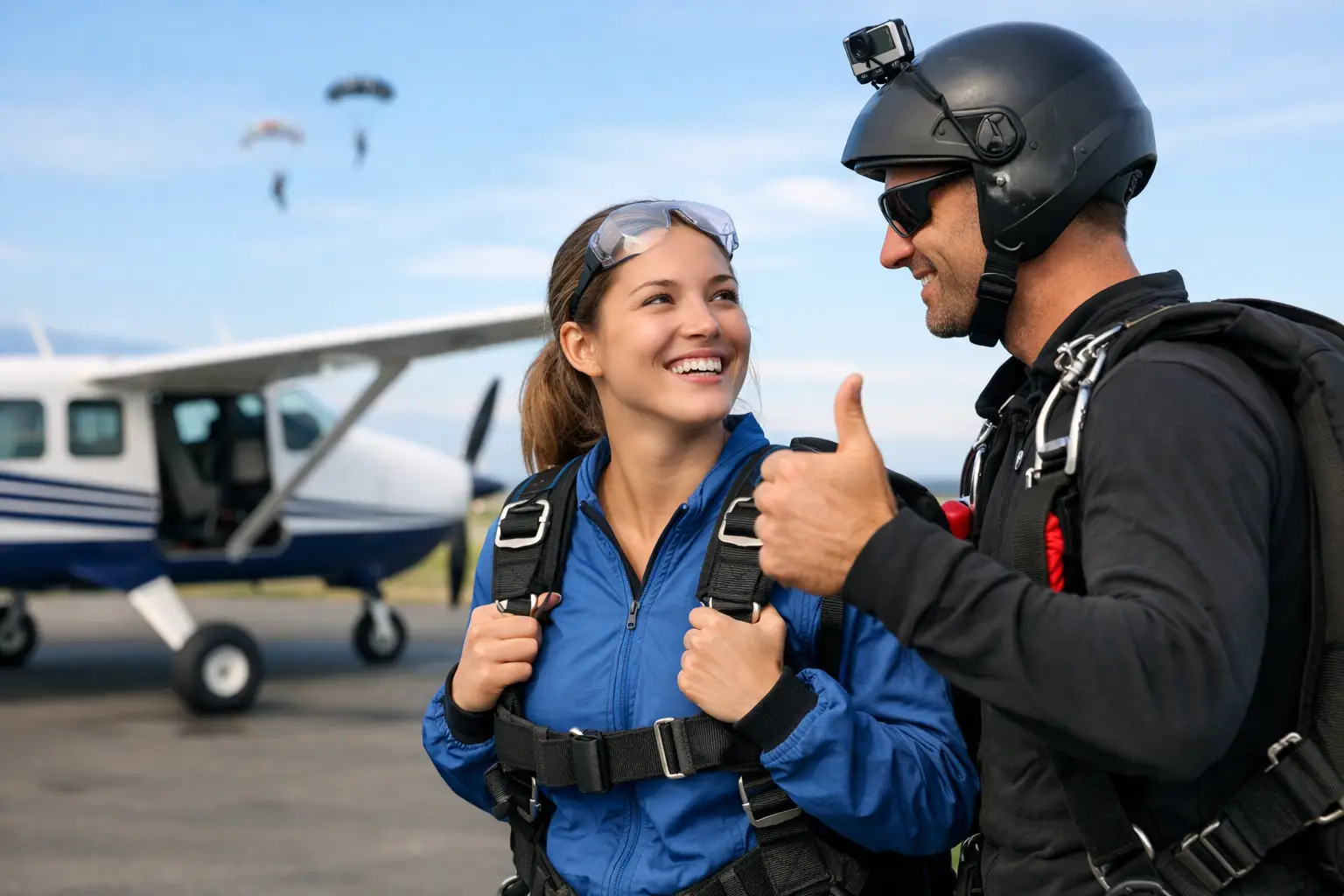
Watching videos online can be helpful, but it does not replace your instructor’s pre-jump briefing. That briefing is where the nerves usually start turning into confidence. You learn body position, what the plane ride will feel like, what happens during exit, and how landing works.
Pay close attention to the small instructions. They matter because they make the jump smoother, safer, and more comfortable. Arching when asked, keeping your legs in the right position, and listening during landing are not advanced skills. They are simple actions that help your instructor do their job well.
This is one of the best first time skydiving tips because uncertainty is what makes fear feel bigger. Once you understand the flow of the jump, the unknown starts shrinking fast.
Do not aim to be fearless
A lot of first-time jumpers think they need to conquer fear before they arrive. You do not. You just need to be willing. Fear is normal, and honestly, a little healthy respect for skydiving is part of what keeps people attentive.
The trick is to stop treating nerves like a warning sign that you should back out. For most people, nerves are just proof that this experience matters to them. There is a difference between being unprepared and being understandably worked up before stepping out of an airplane.
If your mind starts racing, narrow your focus. Think about the next step, not the whole day all at once. Check in, meet your instructor, gear up, board the plane. One step at a time is how many people go from shaky hands on the ground to huge smiles in freefall.
Ask questions instead of guessing
If something feels unclear, ask. First-time skydiving gets easier when you stop trying to play it cool. Ask how tight the harness should feel. Ask what the exit will feel like. Ask what happens if you freeze up. Ask about weather delays if the forecast looks mixed.
Good instructors expect these questions. In fact, asking them usually makes the experience better because it replaces vague fear with real information. Skydiving is thrilling, but it is also structured. The more you understand that structure, the more relaxed you tend to feel.
This is especially true if you are jumping for a birthday, proposal, anniversary, or other milestone. When emotions are already high, simple answers and clear expectations go a long way.
Expect the plane ride to feel different from the jump
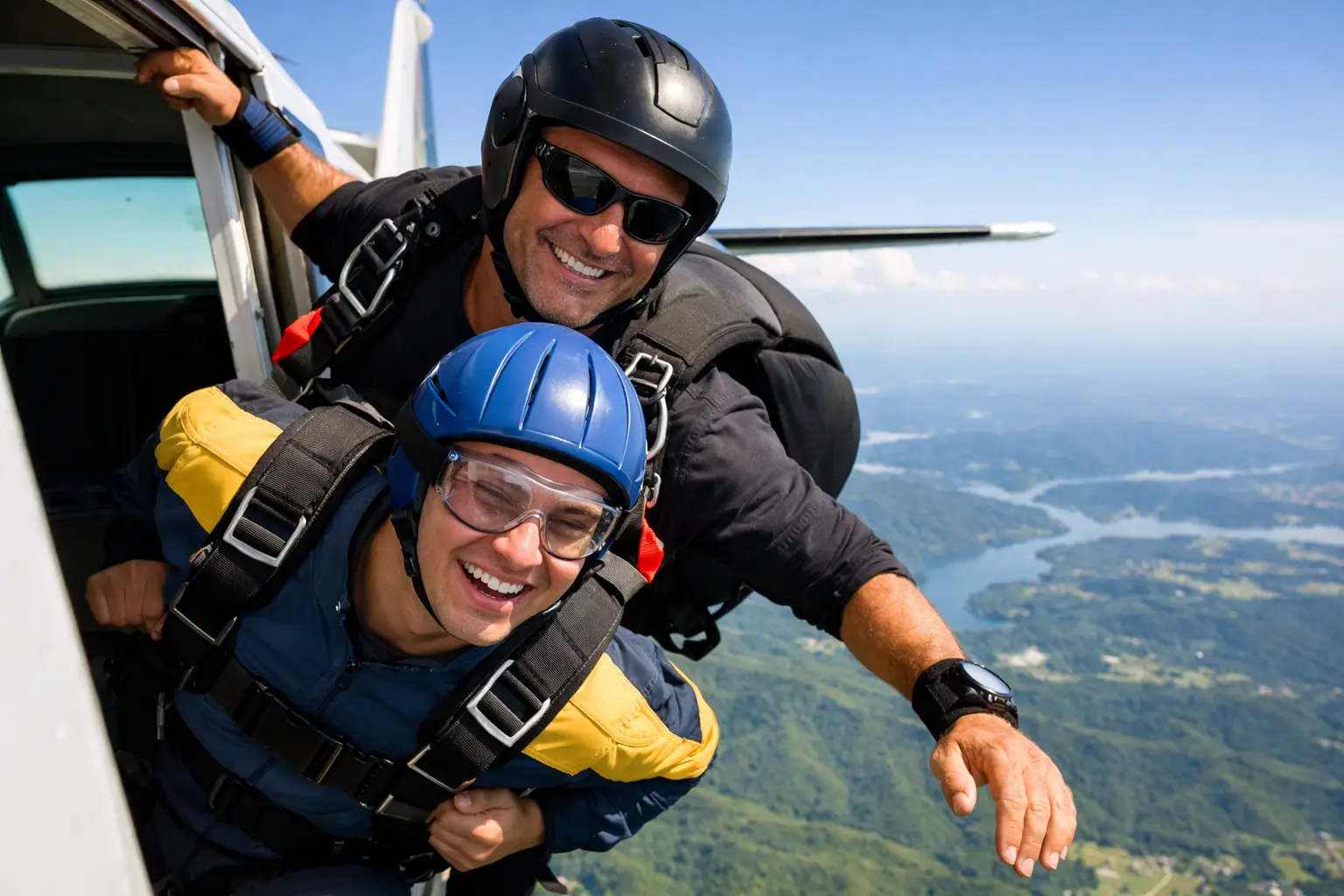
Many people assume freefall will be the most nerve-racking part. Sometimes it is the ride up. That climb to altitude can feel long because anticipation has time to build. You are buckled in, thinking ahead, and hearing the door open becomes very real very quickly.
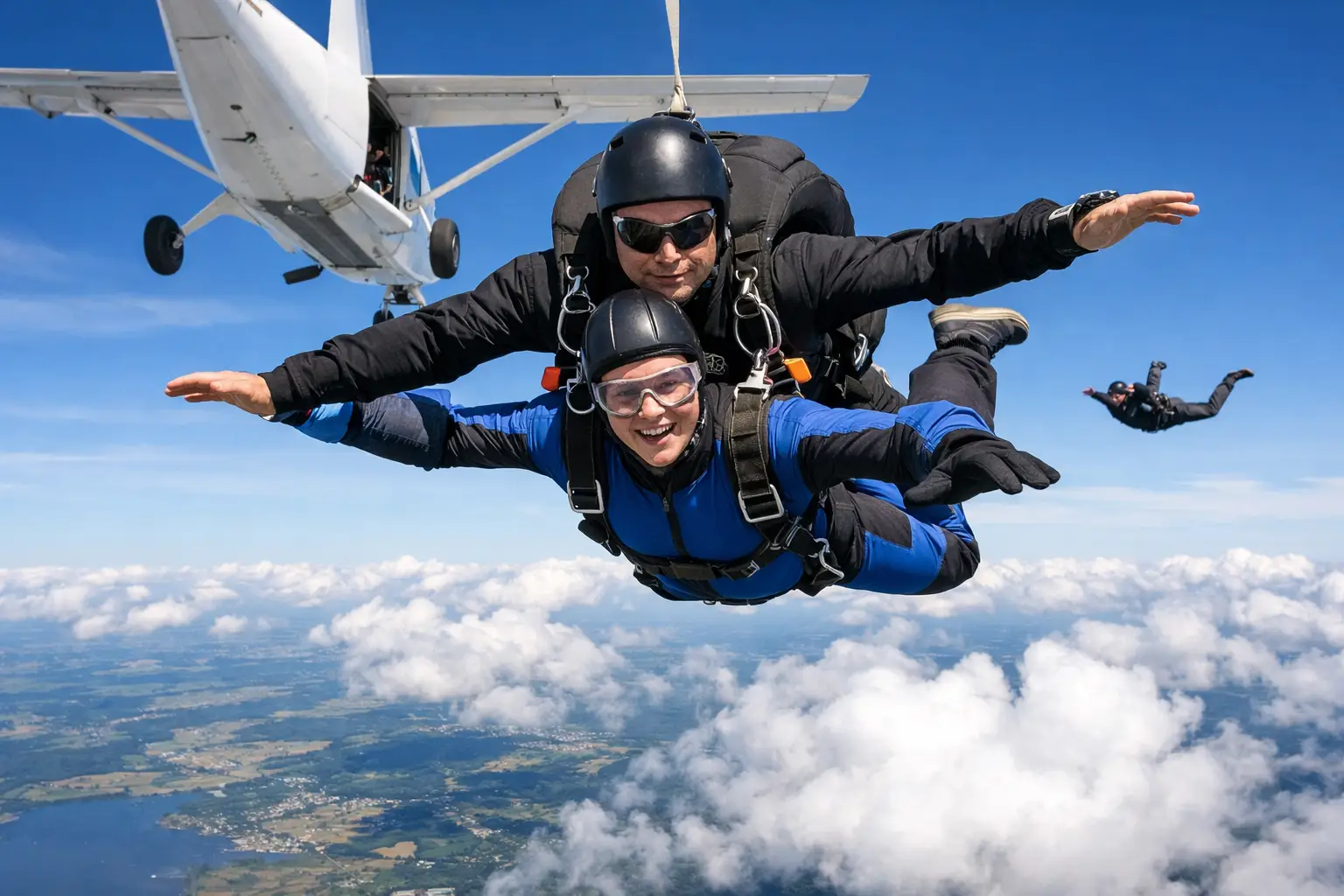
Then the jump happens, and for many first-timers, the fear drops away almost instantly. Freefall is not the same feeling as a roller coaster drop. It is more like a powerful rush of wind and pure sensory overload in the best way. Once the parachute opens, everything changes again. It gets quieter, calmer, and scenic.
That contrast catches people off guard. The experience is not one long blast of panic. It comes in phases, and each phase feels different.
Be flexible about weather and timing
Weather matters in skydiving, and that is a good thing. If conditions are not right, jumps may be delayed or rescheduled. That can be frustrating if you have been hyping yourself up all week, but it is part of a safety-first operation.
Try not to book a jump with an absolutely packed schedule around it if you can help it. Give yourself room in the day. Clouds, wind, and changing conditions can affect timing, and skydiving works best when you are not checking your watch every ten minutes.
This is one place where attitude makes a difference. If you treat delays as proof that the operation is taking conditions seriously, they feel a lot less like an inconvenience and more like what they are – a sign that the right calls are being made.
Consider the photo or video package
You may think you will remember every second, but first-time jumps move fast. Very fast. The rush, the altitude, the freefall, the landing – it all blends together more than people expect.
That is why photo and video packages are worth considering, especially for a once-in-a-lifetime or first-time tandem jump. They do more than give you something to post later. They let you relive the moment you actually did the thing you were nervous about for weeks.
There is also a practical side to it. When friends and family ask how it went, having the footage tells the story better than trying to explain it with your feet still half on the ground. For a lot of jumpers, the media package becomes part of the memory, not just proof of it.
Let the landing be simple
By the time you are under canopy, many first-time jumpers are so relieved that they mentally check out. Do not do that. Stay tuned in for landing instructions. Your tandem instructor will guide you, but your body position still matters.
Landing is usually straightforward, though it depends on wind and conditions. Some landings are very gentle and feel like a smooth slide in. Others may require you to lift your legs at the right moment. The key is not to anticipate too much. Listen, follow the cue, and let your instructor handle the rest.
Best first time skydiving tips for enjoying the moment
Preparation matters, but so does letting yourself actually feel the win. Do not spend the whole experience trying to look calm or perform bravery for everyone around you. You are allowed to laugh, swear a little, grip the harness, and then come down grinning like a different person.
That is part of what makes a tandem skydive so powerful. You do not need years of training to experience something extraordinary. You just need the willingness to show up, trust expert guidance, and take the step.
At Middle Tennessee Skydiving, that first jump is built to feel exciting without feeling out of reach. You get the thrill, the structure, the safety briefing, the experienced instructor, and the kind of memory that stays loud long after the adrenaline fades.
If you are still nervous, that does not mean you are not ready. It probably means you are right where most first-time jumpers start – standing at the edge of a story you will be very glad you said yes to.